

Table of Contents
What is Personal Branding?
Personal branding is the process of creating and managing the way people perceive you online. Just like businesses create brands to stand out, individuals can create their own “brand” to highlight their unique strengths, skills, and personality. Your personal brand tells people who you are, what you do, and what makes you special in your field. It’s about making a lasting impression so that others remember you for what you stand for.
When you build a personal brand, you make yourself recognizable and relatable to your audience. It’s important to note that personal branding isn’t just for celebrities or influencers; everyone can benefit from it, especially in the world of digital marketing where everyone has an online presence.
Why Personal Branding Matters in Digital Marketing
In today’s digital world, personal branding is crucial for standing out, especially with so much competition online. Whether you’re a business owner, freelancer, or professional, building a strong personal brand can help you build trust, credibility, and a loyal following. In digital marketing, your personal brand can help you become an authority in your niche, making it easier to attract customers, followers, or clients.
A strong personal brand makes it easier for people to find you, connect with you, and trust your expertise. It’s no longer just about marketing products or services; it’s about marketing yourself as someone worth following or doing business with. When people trust you and relate to your brand, they are more likely to engage with you, share your content, and recommend you to others.
Strategies To Build Personal Brand Online
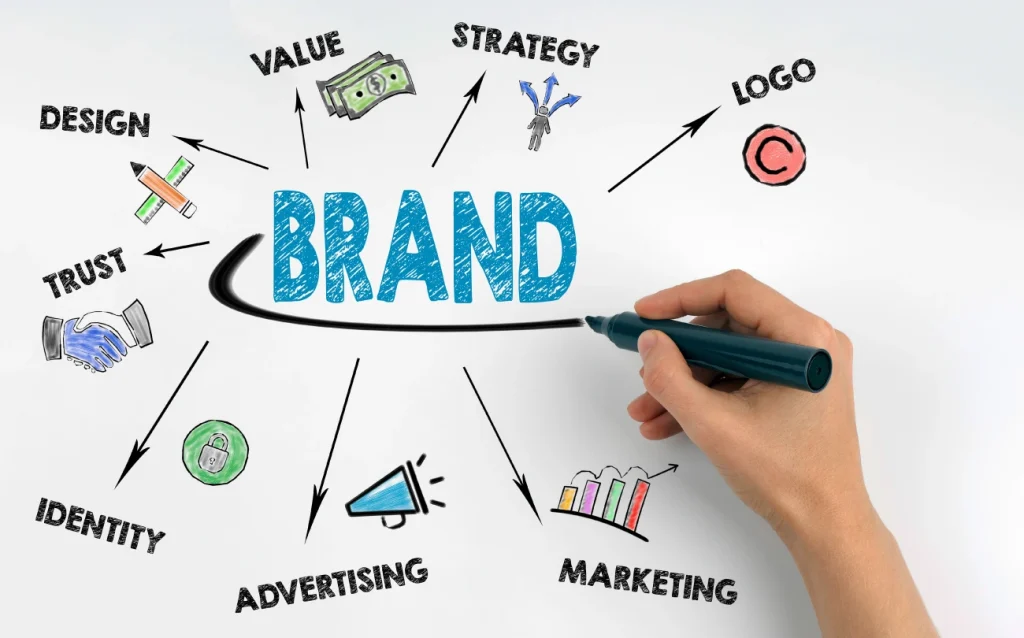
Strategy 1: Know Your Unique Strengths
To build a powerful personal brand, you need to first understand what makes you unique. This is your Unique Value Proposition (UVP)—the thing that sets you apart from others. It could be your skills, your experiences, your passions, or even your personality.
Take time to reflect on what you’re good at, what people often come to you for help with, and what you’re passionate about. For example, are you a creative storyteller? A tech expert? A problem solver? Identify your strengths and think about how you can use them to provide value to others.
Once you know what makes you unique, you can start sharing this through your online content, social media, and your website. People will be drawn to your authenticity and your ability to offer something different from the rest.
Strategy 2: Build a Strong Online Presence
A strong online presence is key to building your personal brand. This means having a professional, clear, and active presence on the right platforms where your audience is. Your online presence is made up of several elements:
- Your Website or Blog: Having a personal website or blog is important because it acts as your digital home. It gives you control over your brand and allows you to showcase your skills, projects, and achievements. It’s also the place where people can learn more about you, contact you, and see your work firsthand.
- Social Media Profiles: Depending on your target audience, it’s important to be active on the right social media platforms. LinkedIn is great for professionals, Instagram is excellent for visual content, while Twitter can be useful for thought leadership and discussions. Keep your profiles consistent and professional to help people recognize your brand across platforms.
By building a strong and consistent online presence, you make it easier for people to find you and learn about what you do.
Strategy 3: Create Consistent Content
Content is at the heart of personal branding, especially in digital marketing. Whether it’s blog posts, videos, social media updates, or podcasts, sharing valuable content consistently helps build your reputation and keeps your audience engaged.
Consistency is key because it shows that you are active, reliable, and committed to providing value. You don’t have to post every day, but you should aim to post regularly so that your audience knows when to expect new content from you.
Think about the kind of content that resonates with your target audience. If you’re a marketing expert, share tips on digital marketing. If you’re a fitness coach, post workout ideas, healthy recipes, or motivational messages. Content should reflect your unique strengths and showcase your expertise.
Strategy 4: Engage with Your Audience
Building a personal brand is not just about sharing content; it’s also about creating relationships. Engage with your audience by responding to comments, answering questions, and participating in conversations. This shows that you care about your followers and value their input.
Engagement also helps build trust. When you interact with your audience, they feel more connected to you, and they are more likely to share your content, recommend you to others, or turn into customers. It’s important to make your engagement feel personal and authentic, rather than just a business transaction.
Additionally, you can also engage with other people in your industry by commenting on their posts, collaborating on content, or joining online communities and discussions. Networking is a powerful tool for expanding your reach and growing your personal brand.
Strategy 5: Share Your Expertise
One of the best ways to build your personal brand online is to share your knowledge and expertise. This positions you as an authority in your field and helps others trust you. There are several ways to share your expertise:
- Blogging: Share insightful articles and tips on your blog that showcase your knowledge.
- Webinars or Live Streams: Host webinars or live videos where you can interact with your audience and share your expertise in real-time.
- Guest Posts: Write guest posts for other blogs or websites to reach a wider audience.
- Podcasts: If you enjoy speaking, consider starting a podcast where you can discuss topics related to your field.
By consistently sharing valuable content, you establish yourself as a go-to expert in your niche, which helps you build a more powerful personal brand.
Strategy 6: Be Authentic Online
Authenticity is one of the most important aspects of building a personal brand. People are more likely to connect with you if they feel like you’re being real and honest. Instead of trying to be someone you’re not, focus on showing the real you.
Being authentic means sharing your true self, your values, your successes, and your struggles. When you share both the good and bad parts of your journey, your audience will feel like they can relate to you and trust you more.
It’s also important to be transparent with your audience. For example, if you’ve worked with a brand or promoted a product, be clear about your relationship with them. People appreciate honesty and are more likely to support you if they know you’re being upfront with them.
Strategy 7: Track and Improve Your Brand
Building a personal brand is an ongoing process. You can’t just set it up and forget about it. To keep improving, you need to regularly track your progress and make adjustments based on the feedback and results you receive.
- Monitor Your Online Activity: Keep an eye on your social media engagement, website traffic, and content performance. This will help you understand what works and what doesn’t.
- Listen to Feedback: Pay attention to the comments and messages you receive. What are people saying about your brand? What are they asking for? Use this feedback to improve and grow.
- Adjust Your Strategy: Based on the data and feedback, adjust your strategy to align with your goals and audience. This might mean changing the type of content you post, trying new platforms, or refining your messaging.
Remember, personal branding is a journey, and there’s always room to grow and improve.
Conclusion and Final Tips
Building a personal brand online is an exciting and rewarding process. By following the 7 proven strategies—knowing your strengths, building a strong online presence, creating content, engaging with your audience, sharing your expertise, being authentic, and tracking your progress—you can establish a powerful personal brand that helps you stand out and succeed.
As you continue to build your brand, remember that consistency, authenticity, and patience are key. It takes time to build a strong presence online, but by staying true to yourself and providing value to your audience, you’ll create a lasting impact.
Start small, be consistent, and keep learning as you go. Over time, your personal brand will grow, and you’ll see the rewards of your hard work!