
Table of Contents
What Is Influencer Marketing?
Influencer marketing is when brands work with people who have an online following—called influencers—to promote their products or services. These influencers already have trust and attention from their followers, so their recommendations feel more personal than regular ads.
For example, if your favorite fitness coach on Instagram talks about a new protein shake, you’re more likely to trust it because it feels like advice from a friend.
Why Influencer Marketing Still Works in 2025
Influencer marketing is a type of digital marketing service where brands collaborate with popular individuals and influencers to promote their products or services. It continues to grow because:
- People trust people more than ads. Influencers feel real, unlike big companies.
- Social media is everywhere. Platforms like TikTok, Instagram, and YouTube keep growing.
- It’s cost-effective. Brands can get big results without huge ad budgets.
- It creates content. Influencers often create videos, photos, or stories that brands can reuse.
In 2025, even AI influencers and virtual avatars are gaining attention, but human connection still matters most.
Types of Influencers in 2025
Influencers are usually grouped by the number of followers they have:
| Type | Follower Count | Best For |
|---|---|---|
| Nano Influencers | 1,000 – 10,000 | Niche audiences, high trust |
| Micro Influencers | 10,000 – 100,000 | Great engagement, affordable |
| Mid-tier | 100,000 – 500,000 | Good reach and content quality |
| Macro Influencers | 500,000 – 1M | Large reach, lifestyle brands |
| Mega/Celebrity | 1M+ | Mass campaigns, brand awareness |
| Virtual Influencers | Varies | Tech brands, futuristic appeal |
In 2025, nano and micro-influencers are still very effective due to their loyal communities and real connections.
Where Influencers Are in 2025 (Top Platforms)
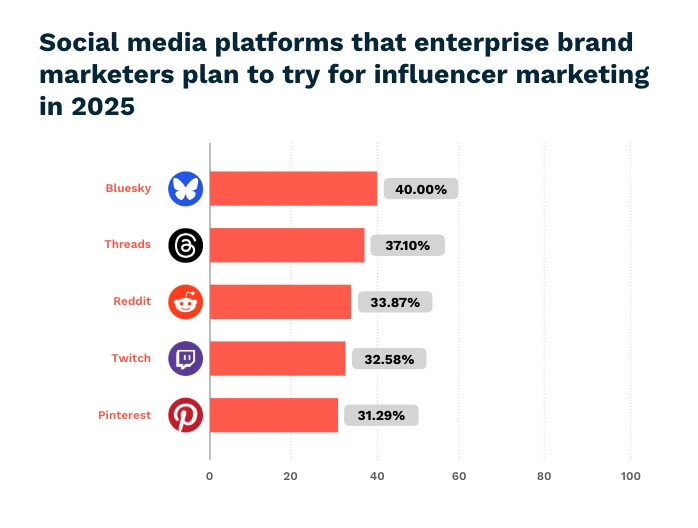
The most popular platforms for influencers in 2025:
- TikTok – Still dominant for short, viral videos.
- Instagram – Strong for photos, Reels, and Stories.
- YouTube – Great for long-form video content and tutorials.
- Twitch & Kick – For gamers and live-stream communities.
- LinkedIn – Rising for B2B influencers and professionals.
- Podcasts – Trusted voices in niches like wellness or finance.
- BeReal, Lemon8, Threads – Newer platforms with growing use.
Pro Tip: Focus where your audience already spends time.
How to Find the Right Influencers
Finding the right influencer is more important than finding a famous one. Here’s how:
- Know your audience. Who are they following already?
- Check engagement rate. 5%+ is excellent; lots of likes and comments matter more than just followers.
- Use tools. Platforms like Upfluence, Aspire, and CreatorIQ help brands find influencers.
- Look at their content. Do their posts fit your brand’s style and values?
- Start small. Test with a few before scaling up.
Also, in 2025, AI can help match influencers to brands with better accuracy.
How to Plan an Influencer Marketing Campaign
Step 1: Set a Clear Goal
Decide what you want from the campaign.
Do you want to:
- Get more followers?
- Sell more products?
- Build brand awareness?
- Promote a new launch?
Be clear about your purpose before you begin.
Step 2: Know Your Audience
Think about who you want to reach.
Ask yourself:
- How old are they?
- What are their interests?
- What social media do they use?
This helps you choose the right influencer and platform.
Step 3: Choose the Right Platform
Pick the platform where your audience spends time, like:
- Instagram for lifestyle and beauty
- TikTok for trends and short videos
- YouTube for tutorials and reviews
- LinkedIn for business audiences
Step 4: Find the Right Influencer
Look for influencers who:
- Match your brand’s style
- Have followers who fit your target audience
- Get good engagement (likes, comments, views)
- Are honest and trustworthy
Start with one or two influencers to test before expanding.
Step 5: Plan the Content
Talk to the influencer and decide:
- What type of post they’ll make (photo, video, story, reel)
- When they’ll post it
- What message or product they’ll promote
Let them be creative—it works better that way.
Step 6: Set a Budget
Decide how much you’ll spend. Costs may include:
- Payment to the influencer
- Free products or services
- Bonus for performance (like sales or clicks)
Step 7: Track the Results
Use special links, promo codes, or tracking tools to measure:
- Clicks
- Sales
- Likes, comments, shares
- Follower growth
Review the data to see what worked—and improve next time.
Click here to boost your brand image and get best services:
Costs and Pricing in 2025
Influencer rates vary by size, platform, content type, and more. Here’s a general idea:
| Influencer Type | Instagram Post | TikTok Video | YouTube Video |
|---|---|---|---|
| Nano | $25–$100 | $50–$150 | $100–$250 |
| Micro | $100–$500 | $150–$750 | $250–$1,000 |
| Mid-tier | $500–$2,000 | $750–$2,500 | $1,000–$5,000 |
| Macro+ | $2,000+ | $2,500+ | $5,000+ |
Many influencers also work on affiliate deals where they earn a commission for each sale.
Tools and Technology for Influencer Marketing
In 2025, several tools make influencer marketing easier:
- Influencer Discovery: Heepsy, Upfluence, Aspire, CreatorIQ
- Campaign Management: GRIN, Influencity, Modash
- Analytics: HypeAuditor, Later, Sprout Social
- AI Tools: ChatGPT, Jasper, and Canva for content ideas
- Tracking Links: Bit.ly, UTM.io, Google Analytics
Some platforms also use blockchain to verify audience authenticity and protect against fake followers.
Common Mistakes to Avoid
Avoid these common pitfalls:
- ❌ Choosing based only on followers (not engagement).
- ❌ Ignoring fake followers or bots.
- ❌ Being too controlling with influencer content.
- ❌ Not setting clear expectations or contracts.
- ❌ Forgetting to measure results.
Influencer marketing is about partnership, not just promotion.
Measuring Success
You should measure both numbers and impact:
Key Metrics:
- Engagement Rate (likes + comments ÷ followers)
- Click-throughs (to your website or app)
- Conversions (sales, signups, downloads)
- ROI (Return on Investment)
- Brand Sentiment (what people are saying)
Use UTM links, promo codes, and influencer dashboards to track data easily.
Future Trends in Influencer Marketing
Influencer marketing is always changing, and 2025 brings some exciting new trends. People still follow influencers because they feel real and relatable. But how influencers work with brands is evolving. Here’s what to expect in the near future:
1. AI and Virtual Influencers Are Growing
In 2025, not all influencers are human. Some are created by computers—these are called AI influencers or virtual influencers. They look like real people, but they’re digital characters made by brands or creators. For example, Lil Miquela is a famous virtual influencer.
Brands like them because they’re easy to control and always on-brand. But, some people still prefer real influencers because they’re more relatable. This trend is growing fast, especially in fashion and tech.
2. Live Shopping Is Getting Bigger
Live shopping is like QVC or home shopping but on social media. Influencers go live on platforms like TikTok, Instagram, or YouTube and talk about products while showing how they work. Viewers can ask questions and buy in real time.
This trend is huge in Asia and now growing worldwide. It makes shopping fun, interactive, and personal.
3. More Focus on Small Influencers (Micro & Nano)
Brands are working more with micro (10K–100K) and nano (under 10K) influencers. Why? Because they have loyal followers and higher trust. These influencers often reply to comments and have closer relationships with their audience.
Even if they have fewer followers, their fans listen to them—and that leads to more sales.
4. Podcasts and Voice Influencers Are Rising
People love listening to podcasts while doing other things. Influencers who host podcasts are becoming very powerful voices in their fields—like health, business, or parenting.
Because podcasts feel personal, listeners often trust the host more. Voice-based influence is growing, especially for brands that want to tell a story or build long-term loyalty.
5. Short Videos Are Still King
Short videos—especially on TikTok, Instagram Reels, and YouTube Shorts—are still the most popular type of content in 2025. People enjoy quick, fun, and useful videos they can watch in seconds.
Brands are working with influencers who are good at short-form video to grab attention fast.
6. Authenticity and Honesty Matter More Than Ever
In 2025, people can spot fake content from far away. They want honesty. Influencers who are too “salesy” or fake lose trust. So, brands now work with creators who really use and believe in their products.
Followers want real reviews, real stories, and real personalities.
7. Tech Is Helping Measure Results Better
Thanks to better tools and AI, brands can now track results more accurately. They can see who clicked, who bought, and how much money was made from an influencer’s post.
This helps brands know what’s working—and gives influencers more chances to show their true value.
Final Thoughts
Influencer marketing in 2025 is one of the most powerful ways for brands to connect with people. It is all about realness, community, and trust. Whether you’re a small brand or a big company, partnering with the right voices can grow your business in a natural, human way.It works because it feels personal—when someone we trust recommends a product, we listen.
Influencers, whether they have thousands or millions of followers, help make brands feel more human. Instead of a traditional ad, people are more likely to trust a real person sharing their honest opinion. Over time, the focus has shifted from working with just big celebrities to also partnering with smaller influencers, like micro or nano influencers, who often have stronger relationships with their audiences. These smaller creators can be even more effective because their followers truly care about what they say.
Today, brands want to work with influencers who are authentic, honest, and who create content that feels natural. People don’t want to see fake or overly polished ads anymore—they want real stories and real experiences. That’s why influencers who truly believe in a brand or product are more successful.
In 2025, long-term partnerships between brands and influencers are also becoming more popular. Instead of one-time posts, ongoing relationships help build trust and show that the influencer truly supports the product.
At the same time, tools and technology have made it easier than ever to track results and see what’s working. In the end, influencer marketing is about trust, connection, and storytelling. When brands choose the right influencers and allow them to be themselves, the results can be powerful. It’s not just about selling something quickly—it’s about building a lasting relationship with customers. If done right, influencer marketing can help businesses grow in an honest, creative, and meaningful way. And that’s what modern audiences really want.